South Dakota Prison System refers to the state-run correctional network responsible for housing people serving longer criminal sentences. It operates under the South Dakota Department of Corrections and follows state law. The system manages custody, daily routines, and sentence requirements. It focuses on safety, order, and structured supervision inside secure facilities. Courts rely on this system after felony convictions. Many residents search this topic to clarify how state incarceration works.
South Dakota Prison System functions separately from county jails and temporary holding sites. State prisons handle extended confinement after sentencing, not short stays. This structure supports consistent rules across South Dakota. It places people based on sentence length and security level. Confusion often arises since prisons and jails appear similar from the outside. Clear definitions help readers see how the incarceration system in South Dakota is organized.
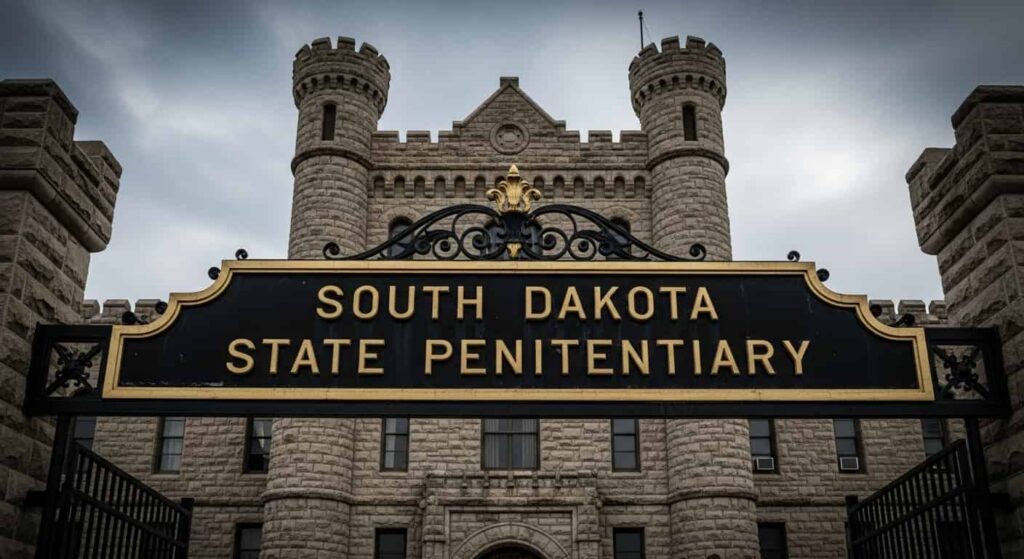
Role of the South Dakota Department of Corrections (DOC)
The South Dakota Department of Corrections operates as the state agency with full responsibility for adult incarceration, supervision, and correctional policy. It manages prisons, oversees parole and probation, and carries out state law tied to sentencing and custody.
DOC Authority and Core Responsibilities
The South Dakota Department of Corrections holds legal authority under state statute to manage adult correctional services. This authority comes from South Dakota law and direction from the Governor’s Office, with policy review by legislative committees. The agency sets rules for confinement, supervision, and release, and it enforces standards tied to safety and lawful detention.
Key responsibilities include:
- Prison administration for state-operated correctional facilities
- Custody management for sentenced inmates
- Policy enforcement tied to discipline, housing, and classification
- Compliance monitoring with state and federal correctional requirements
Oversight of Prisons, Parole, and Probation
DOC oversight extends beyond prison walls. The agency supervises parole and probation services through coordinated programs and field offices. These services track compliance, supervise conditions, and report violations to the courts.
Oversight includes:
- Security level placement, ranging from minimum to maximum custody
- Parole supervision after release from prison
- Probation coordination with sentencing courts
- Risk assessment tools used for supervision planning
Movement From County Custody to DOC Facilities
Inmates often begin custody at the county level after arrest or sentencing. Once a court issues a prison sentence, the individual transfers from county jail to a DOC intake facility. DOC staff review the sentence, verify documentation, and assign a facility based on security needs and program availability. This transfer process follows a clear chain of custody that links county sheriffs, courts, and the state corrections agency. Each step reduces error and supports lawful confinement.
Rehabilitation, Security, and Compliance Role
Rehabilitation remains a central DOC function. Programs focus on education, work training, substance treatment, and behavioral support. These services aim to reduce repeat offenses and prepare inmates for supervised release.
DOC responsibilities in this area include:
- Program delivery tied to education and treatment
- Security classification reviews
- Facility inspections and audits
- Standards compliance under correctional regulations
Prisons vs Jails in South Dakota
A South Dakota prison is a state-operated facility for long-term incarceration of individuals convicted of serious crimes, typically felonies. In contrast, jails in South Dakota primarily hold people temporarily, either awaiting trial or serving short sentences for misdemeanors.
Legal and Functional Differences
Prisons and jails serve distinct roles in South Dakota’s correctional system. Prisons fall under the South Dakota Department of Corrections and house individuals after a court conviction. They focus on long-term incarceration, rehabilitation programs, and structured security. Jails, on the other hand, are managed by county sheriffs and operate as short-term facilities for individuals awaiting trial or serving sentences less than one year.
Key differences include:
| Feature | South Dakota Prisons | County Jails |
|---|---|---|
| Management | State DOC | County Sheriff |
| Sentence Type | Felonies (1+ year) | Misdemeanors (<1 year) |
| Duration | Long-term | Short-term / pretrial |
| Programs | Education, job training, rehabilitation | Limited programs |
| Population | Convicted offenders | Pretrial detainees, minor sentences |
Custody Stages: Pretrial vs Post-Conviction
A major distinction lies in the custody stage. Jails primarily hold individuals pretrial, before conviction, ensuring they appear in court. They may also accommodate post-conviction misdemeanor sentences. Prisons house individuals post-conviction after sentencing for felony offenses. This separation ensures proper resource allocation, security levels, and rehabilitative programming. Pretrial detainees in jails are often mixed with those serving short sentences, whereas prisons maintain strict security classifications based on criminal history, behavior, and rehabilitation needs. This prevents risks and maintains safety for staff and inmates.
Sentence Length and Offense Type
Sentence length directly influences placement. Felony convictions, such as robbery or aggravated assault, result in placement in a South Dakota prison, while minor offenses, like traffic violations or petty theft, are typically served in county jails. Understanding this distinction clarifies common misconceptions that all inmates are in the same system or that prisons handle all types of crime.
Common Misconceptions
Many people confuse prisons and jails, believing they operate interchangeably. Key points to remember:
- Jails are temporary, often less than a year.
- Prisons are long-term, for serious felony convictions.
- Programs and security are more structured in prisons than in jails.
Types of Correctional Facilities in South Dakota
South Dakota operates multiple types of correctional facilities, each designed to meet specific legal, security, and rehabilitative needs. From state prisons for long-term felony incarceration to municipal jails and juvenile detention centers, each facility serves a defined role in the criminal justice system. Understanding these differences helps clarify where individuals are held, the type of supervision they receive, and the services available to them.
State Prisons in South Dakota
State prisons in South Dakota are operated by the Department of Corrections and serve as long-term facilities for individuals convicted of felonies. They are designed to safely house inmates while offering structured programs aimed at rehabilitation, skill development, and public safety. These prisons are central to the state’s correctional system, providing consistent oversight, security, and access to education and treatment programs.
Security Levels
State prisons maintain multiple security levels to manage inmates based on risk and offense history:
- Minimum security: Lower-risk offenders, work-release opportunities, and more freedom of movement
- Medium security: Standard supervision and structured programming
- Maximum security: High-risk offenders requiring strict controls and limited contact
Reception and Classification Centers
Every inmate entering a state prison is processed at a reception and classification center where:
- Medical, psychological, and behavioral assessments are conducted
- Housing placement and security classification are determined
- Eligibility for educational, vocational, or treatment programs is assessed
State prisons also provide comprehensive rehabilitation services, including:
- Educational programs such as GED or vocational training
- Substance abuse treatment and counseling
- Behavioral and cognitive rehabilitation programs
County Jails in South Dakota
County jails are managed by local sheriffs and provide short-term detention for individuals awaiting trial or serving minor sentences. Unlike state prisons, they focus primarily on pretrial custody and short-term incarceration, with limited rehabilitation programs. These jails are vital to the local criminal justice system, ensuring court appearances and safe housing while providing logistical support for law enforcement agencies.
Key roles of county jails include:
- Pretrial detention for individuals awaiting court hearings
- Short-term sentences under one year, usually for misdemeanors
- Housing for other agencies under intergovernmental agreements
- Basic intake and supervision to maintain security and accountability
City and Municipal Jails
Municipal jails in South Dakota serve as temporary detention facilities for city arrests. They provide short-term custody, booking, and transfer services while maintaining records and basic supervision. These facilities are essential for ensuring public safety within city limits while efficiently processing arrested individuals.
Key functions of municipal jails:
- Booking and processing immediately after arrest
- Temporary holding for hours or a few days
- Transfers to county jails or state prisons as needed
Juvenile Detention Facilities
Juvenile detention facilities in South Dakota house youth offenders separately from adults, emphasizing rehabilitation over punishment. Strict confidentiality laws prevent public disclosure of minors’ identities and records. These facilities focus on addressing behavioral issues, education, and social development while ensuring legal compliance.
Key aspects of juvenile detention include:
- Temporary custody for pretrial youth or short-term sentences
- Educational and behavioral programs to reduce recidivism
- Compliance with confidentiality laws to protect minors’ identities
South Dakota Statewide Inmate Search Options
Finding the right information about an incarcerated individual often begins with a South Dakota Prison inmate search. The state provides an official system that lets users locate people held in state DOC custody using basic identifiers like name or DOC ID. This process supports families, attorneys, and researchers by providing key details such as facility placement, sentence status, and projected release dates—all while adhering to legal privacy requirements.
Official DOC Offender Search Tool
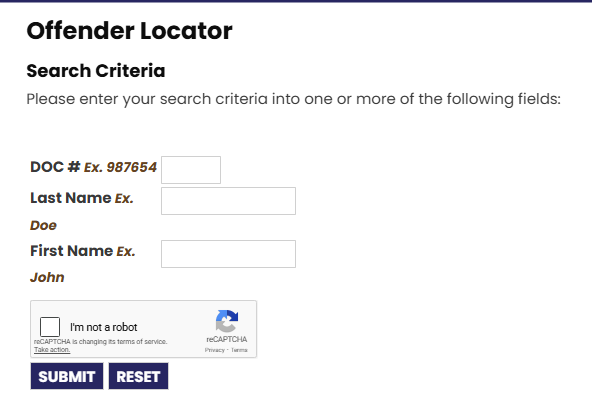
The Official South Dakota DOC Offender Search Tool is the primary online resource for locating inmates serving time in state prisons in South Dakota. This tool is maintained by the Department of Corrections and updated regularly to reflect the most current custody data available. Users can search using the inmate’s full name or DOC identification number.
Official Tool Link: https://docadultlookup.sd.gov
The tool typically displays:
- Inmate full name and DOC ID
- Current facility location (state prison assignment)
- Custody status (e.g., active, on parole, released)
- Sentence length and projected release date
- Program participation in education, treatment, or work assignments
What the State Search Does Not Include
While the DOC inmate search is a valuable resource, it excludes several categories of detention that users often mistakenly expect to find:
- County jail inmates: Individuals jailed locally after arrest or awaiting trial are managed by county sheriffs and not listed in the state DOC database.
- City or municipal detention: Short-term holds in city lockups are separate and governed locally, with their own systems and contacts.
- Juvenile offenders: Records involving minors are protected by confidentiality laws and do not appear in public inmate search tools.
Offline DOC Assistance
If an individual does not appear in the online offender search or if more detailed verification is needed, the South Dakota DOC offers offline support via phone or written inquiry. This service is useful for confirming an inmate’s status when the online database has not yet updated or in situations requiring official confirmation for legal or administrative purposes.
When contacting the DOC, prepare the following information to improve the accuracy and speed of assistance:
- Full legal name and known aliases
- Date of birth or approximate age
- DOC ID number (if available)
- Specific questions about custody status or release plans
County Jail Inmate Lookup in South Dakota
Locating individuals held in county jails in South Dakota requires a different approach than state prisons. Each county maintains its own jail roster, and information is typically managed by the county sheriff. These rosters allow the public to verify who is currently in custody, understand the nature of their charges, and find booking details. Unlike the statewide DOC system, county jail information varies by jurisdiction and is updated independently, which is important for anyone conducting searches for legal, personal, or professional purposes.
How County Jail Rosters Work
County jail rosters provide a list of individuals currently held in local detention facilities. These rosters serve multiple purposes: ensuring public transparency, assisting law enforcement, and facilitating contact for families and legal representatives. Most rosters include:
- Inmate full name and booking photo
- Booking date and charges
- Bond or release status
- Court dates or next hearing
Search Methods
Searching a county jail roster is straightforward, but knowing the right identifiers is key. Most counties allow searches by:
- Inmate full name or partial name
- Booking number or ID
- Date of birth (in some counties for more accurate results)
Some counties also provide a search by arrest date or court case number, which can help narrow down results if multiple inmates share similar names. Users should note that search results are only as current as the last roster update.
Best practice tips:
- Verify spellings carefully
- Cross-check with the county sheriff’s office if results do not appear
- Check multiple counties if the individual may have been transferred
Update Frequency and Limitations
County jail rosters are updated on different schedules depending on the facility. Many update daily, but delays can occur due to administrative processing, court paperwork, or transfers. Limitations include:
- Recent arrests may not appear immediately
- Inmates transferred between counties or to state prisons may be removed quickly
- Juvenile detainees are typically excluded from public rosters
City Jail and Municipal Holding Facility Searches
City jails and municipal holding facilities in South Dakota provide short-term detention for individuals arrested within city limits. Unlike county jails, these facilities focus on temporary custody, typically holding inmates for a few hours to a few days until they are either released, cited, or transferred to a county jail. Understanding the operational differences between city jails and county facilities is crucial for locating an inmate accurately.
How City Jails Differ from County Jails
City jails are usually smaller, locally operated facilities managed by municipal police departments. Their primary role is immediate arrest processing and short-term detention, whereas county jails provide longer-term pretrial and misdemeanor custody under the sheriff’s oversight. Key distinctions include:
- Duration of stay: Usually less than 72 hours in city jails
- Facility management: City police or municipal authority vs county sheriff
- Program availability: Limited or no rehabilitation or educational programs
Online vs Phone Verification
Some municipalities provide online access to city jail rosters, allowing searches by name, booking number, or arrest date. However, many smaller city facilities rely on phone verification to confirm inmate status. For accurate results, users should:
- Call the municipal holding facility directly if online information is unavailable
- Provide the inmate’s full name, date of birth, and arrest date if known
- Confirm whether the individual has been transferred to a county or state facility
Transfer Timelines
Inmates held in city jails are often transferred quickly to county facilities for longer-term detention or court appearances. Transfer timelines depend on court schedules, booking verification, and bed availability. This rapid movement explains why city jail rosters may appear empty even though the individual is still in custody.
Recent Arrests, Bookings, and Release Logs
Tracking recent arrests and bookings in South Dakota provides timely insight into local law enforcement activity and custody status. Law enforcement agencies maintain daily arrest and booking logs to document who has been taken into custody, the charges, and any scheduled release. These logs serve the public, attorneys, and families seeking accurate, up-to-date information on individuals in temporary detention.
Daily Booking Reports
Most county jails and some municipal facilities release daily booking reports, which typically include:
- Inmate full name and aliases
- Arrest date and time
- Charges or offenses filed
- Bond or release status
- Scheduled court appearances
Common Delays and Inaccuracies
Despite regular updates, booking logs may contain delays or inaccuracies due to processing or administrative reasons. Common issues include:
- Newly arrested individuals not appearing immediately in online logs
- Transfers to county or state facilities before log updates
- Typographical errors in names, charges, or dates
- Juvenile or sensitive cases excluded due to confidentiality laws
How to Verify Urgent Custody Information
For urgent cases, such as locating a recently arrested individual, it is recommended to verify custody information directly:
- Contact the county sheriff or city police department where the arrest occurred
- Provide full name, date of birth, and arrest date
- Ask if the individual has been transferred, released, or held for court appearance
VINELink Custody Notifications in South Dakota
VINELink South Dakota provides automated custody alerts for people connected to criminal cases. The system delivers timely updates about inmate status changes, helping users stay informed without repeatedly checking jail or prison records.
Purpose of VINELink
VINELink operates as a statewide notification service that tracks custody events across participating correctional facilities. It connects official custody data to a public alert system that notifies registered users when an inmate’s status changes. These updates may include booking, transfer, release, or court-related movement. The service focuses on notifications rather than detailed record display, making it useful for real-time awareness.
Users can access VINELink through the official portal: https://www.vinelink.com
Who Should Use VINELink
VINELink supports several groups that rely on timely custody information. It is commonly used by:
- Victims of crime seeking notice of release or transfer
- Family members monitoring custody changes
- Attorneys and legal staff tracking offender movement
- Support organizations assisting with victim services
Notification Types
VINELink offers multiple alert options so users can choose how they receive updates. Common notification events include:
- Custody status changes, such as booking or release
- Transfers between jails or prisons
- Court-related movement tied to transport or hearings
- Escape or return to custody, when applicable
Frequently Asked Questions
Below are expanded FAQs with short headings and deeper explanations. Each answer stays clear, factual, and easy to scan, supporting People Also Ask and voice search visibility.
How long is jail-to-prison transfer?
After a court issues a prison sentence, the inmate usually stays in a county jail for a waiting period. This time allows the South Dakota Department of Corrections to complete intake steps such as identity confirmation, medical screening, security classification, and transport planning. Transfers often occur within one to three weeks, though timelines vary by bed availability and transportation schedules. During this stage, the inmate is legally under DOC authority but remains housed locally.
Why is an inmate not listed online?
Missing search results often relate to timing or jurisdiction. Recent bookings may take several days before appearing online. State prison databases only display inmates physically placed in DOC facilities, not people held in county or city jails. Records may fail to appear if a legal name differs from the booking name or if the inmate recently moved between facilities. Juvenile records never display due to state confidentiality laws.
Are parolees in DOC systems?
Parolees usually remain listed in DOC records, though their status reflects community supervision rather than incarceration. Listings may show parole start dates, supervising authority, or case numbers instead of a housing location. Once parole ends or a sentence expires, public visibility may reduce or stop. This structure often causes confusion for users expecting a facility address.
How do inmate transfers happen?
Transfers follow a classification review conducted by DOC staff. Security level, behavior history, medical needs, and program placement all factor into the decision. Movement from jail to prison occurs after sentencing, while prison-to-prison transfers may happen at any stage of incarceration. Online systems update only after intake completes at the new facility, which explains short visibility gaps.
Can inmate locations change fast?
Yes, location changes may occur with little notice. Temporary moves for court appearances, medical care, or internal processing may not appear in public databases. Transport status often shows as pending or inactive until the inmate arrives at the next facility. Families sometimes notice delays between physical movement and online updates.
Who gives the most accurate details?
The most reliable source depends on custody type. County sheriff offices provide the best details for jail inmates and pretrial cases. The South Dakota Department of Corrections confirms prison housing, sentence status, and parole supervision. Callers should prepare the inmate’s full legal name, date of birth, and sentencing county to speed verification.